Smoothie Diet
Thinking About the 21-Day Smoothie Diet? Here’s What You Need to Know
The 21-Day Smoothie Diet: What It Is and How It Works
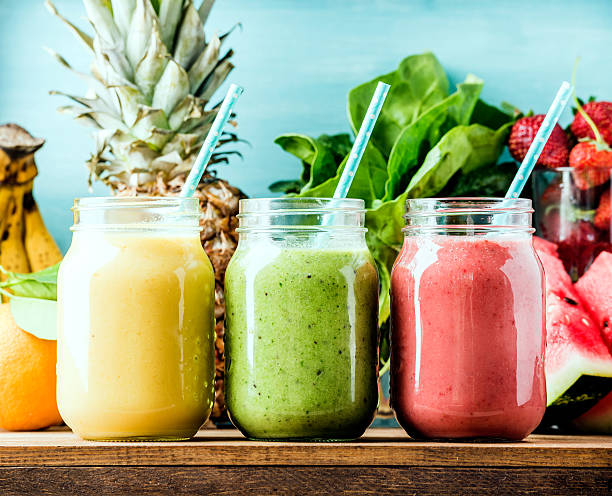
The 21-Day Smoothie Diet is a weight loss plan that stands out as a practical and effective alternative to trendy diets. It was created to simplify eating routines, offering a quick and organized method for those who want to lose weight healthily.
According to the creator, the diet offers a range of benefits, such as:
- improved sleep
- more radiant skin
- increased energy
- faster weight loss
What is the diet?
The method was developed by health coach Drew Sgoutas and involves replacing two daily meals with smoothies.
The plan is presented in the e-book “The Smoothie Diet”, which is available online. It contains a complete guide to follow the program safely and easily.
What does the e-book include?
Inside the material, you’ll find:
- 36 smoothie recipes
- meal and snack ideas
- shopping lists
- weekly schedules
- tips for preparing smoothies and maintaining results
What are the benefits?
According to Sgoutas, the 3-week plan can help:
- promote healthier eating habits
- strengthen the immune system
- “detox” the body
- improve skin and gut health
- increase energy levels
Additionally, he claims the method can speed up weight loss, and some testimonials indicate quick results, such as up to 4 kg (9 pounds) in 3 days.
Summary
The 21-Day Smoothie Diet is a 3-week plan that replaces two meals per day with smoothies. The program promises to boost immunity, increase energy, improve skin and gut health, and speed up weight loss.
How to follow the plan
The routine is simple and practical: you replace two meals a day with smoothies, following the recipes in the e-book.
The material includes 36 recipes, combining ingredients like fruits, vegetables, nuts, seeds, and almond or coconut milk.
Besides smoothies, the plan allows:
- 1 solid meal per day
- 2 healthy snacks
Solid meals should be based on whole foods, and snacks should be low in sugar and high in fiber, around 150–200 calories each.
Cheat day and detox
You can also have one cheat day per week, without smoothies, while maintaining a healthy diet.
If you prefer, you can start the plan with a 3-day detox, replacing all three meals with smoothies and keeping two healthy snacks in between.
How the diet works
According to the program, the method works by creating a calorie deficit, meaning you consume fewer calories than you burn each day.
The diet is also high in fiber and helps reduce sugar cravings by “resetting” your taste buds.
The plan is designed to last 3 weeks, but it can be repeated as many times as needed until you reach your goals.
Summary
The 21-Day Smoothie Diet creates a calorie deficit by replacing two meals with smoothies while having one solid meal and two snacks per day. The plan lasts 3 weeks and can be repeated as many times as desired.
Foods to Eat and Avoid
The 21-Day Smoothie Diet encourages nutrient-rich foods like fruits and vegetables while limiting processed ingredients.
Foods to Eat
Most of the smoothie recipes in the 3-week program include fruits, vegetables, nuts, and seeds, blended with coconut milk, coconut water, or almond milk.
Beyond the two daily smoothies, the plan also emphasizes whole, minimally processed foods for your other meals and snacks.
Here are some examples of foods that are recommended on the 21-Day Smoothie Diet:
Fruits: bananas, pears, apples, oranges, pineapples, raspberries, strawberries
Vegetables: spinach, kale, cauliflower, bell peppers, carrots, broccoli
Protein sources: chicken, turkey, salmon, eggs, legumes, Greek yogurt
Whole grains: brown rice, quinoa, oats, buckwheat, popcorn
Nuts and seeds: flaxseed, almonds, walnuts, chia seeds, nut butter
Beverages: almond milk, coconut milk, coconut water
Herbs and spices: vanilla extract, fresh ginger, parsley, mint, cinnamon
Other ingredients: unsweetened cocoa powder, unsweetened coconut flakes, granola, honey
Foods to Avoid
On the 21-Day Smoothie Diet, you should limit sugary drinks and processed foods, including processed meats, refined grains, and fried items.
Here are some examples of foods to cut back on during the diet:
Processed meats: bacon, ham, pepperoni, cold cuts, salami
Refined grains: white rice, white pasta, white bread, tortillas
Fried foods: french fries, mozzarella sticks, donuts, fried chicken, fish sticks
Processed snacks: convenience meals, cookies, chips, pretzels, baked goods
Sugary drinks: soda, sweet tea, sports drinks, energy drinks
Summary: The diet focuses on whole, minimally processed foods such as fruits, vegetables, nuts, and seeds while limiting processed foods, refined grains, and sugary beverages.
Does It Help With Weight Loss?
According to the creator of the 21-Day Smoothie Diet, the plan provides around 1,500 calories per day.
For many people, consuming 1,500 calories daily can lead to weight loss. However, results may vary depending on factors like age, body size, health status, and activity level.
The diet also promotes a wide range of nutrient-dense foods such as fruits, vegetables, nuts, and seeds, all of which are high in fiber.
Fiber moves slowly through the digestive system, helping you feel full longer, which can support weight loss.
However, despite being low in calories and high in fiber, the 21-Day Smoothie Diet is also quite restrictive and may be challenging to stick to.
Additionally, research suggests that liquids like smoothies may be less filling than solid foods, which could leave you feeling hungry throughout the day.
Some studies also indicate that meal-replacement programs may increase the likelihood of regaining weight once you return to a regular diet.
So, while replacing some meals with smoothies may lead to short-term weight loss, it may not be the most sustainable long-term strategy.
Summary: The 21-Day Smoothie Diet is low in calories and high in fiber, which may support short-term weight loss. However, smoothies may be less filling than solid meals, and the plan can be difficult to maintain over time.

Final Thoughts
The 21-Day Smoothie Diet can be a great way to reset your eating habits, increase your intake of fruits and vegetables, and jumpstart a healthier routine.
If you’re looking for a structured plan with simple, nutritious options, this program can be a good starting point.
Just remember: the best results come from consistent, balanced habits that you can maintain over time — not quick fixes.
If you want a long-term transformation, focus on building a sustainable lifestyle that supports your goals.
Deixe um comentário